Parking Lot Striping and ADA Compliance: What Arkansas Property Managers Get Wrong
Your parking lot is the first thing every customer touches
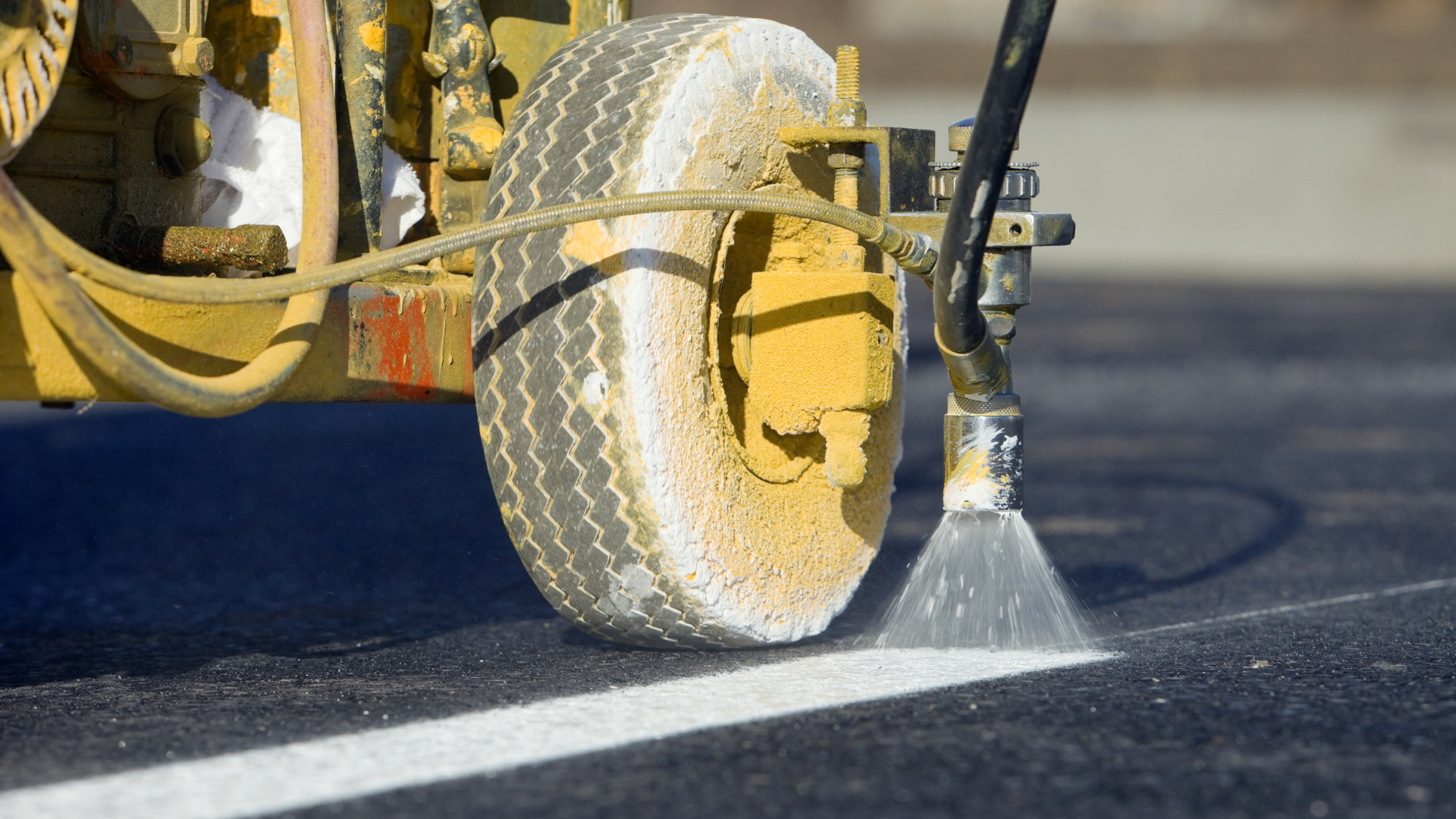
Before anyone walks through the door, they've already parked. Faded lines, a confusing layout, an accessible space that isn't quite right — that's the first impression, and it's working against you before a single handshake.
Most property managers treat striping as cosmetic. It isn't. It's the most-used surface on the property, it wears out on a predictable schedule, and when the accessible parking isn't done correctly, it's the fastest way to turn a satisfied visitor into a complaint.
Here's what we see go wrong most often — and what right looks like.
Restripe before it costs you
Faded lines and almost-right accessible parking are quiet problems until they're loud ones. The quiet version is a scheduled restripe on a clean, well-laid-out lot. The loud version starts with a complaint.
Born to Build stripes commercial and municipal parking lots across Arkansas from Maumelle to Mountain Home — laid out correctly, accessible spaces included, done to last.
Mistake 1: Waiting until the lines are gone
By the time the stripes are obviously faded, they've been underperforming for a while. Worn lines don't fail all at once — they get progressively harder to read, especially at night and in the rain, and drivers start improvising. That's when you get crooked parking, blocked lanes, and cars drifting into spaces that are supposed to stay clear.
Restriping on a schedule costs less and looks intentional. Restriping after a customer complains costs the same in paint and a lot more in goodwill.
The wear clock depends on traffic, sun exposure, and whether the lot was sealed. A high-turnover retail lot and a quiet office lot are on completely different timelines, and treating them the same is how one gets neglected.
Mistake 2: Getting the accessible spaces almost right
This is the big one, and "almost right" is the phrase that costs people.
Accessible parking has real requirements — the number of spaces relative to lot size, the width, the access aisles beside them, the placement relative to the entrance, the signage, and the surface. Miss any one of those and the space technically isn't accessible, no matter how good your intentions were.
The mistakes we correct most:
- Access aisles that are too narrow, or missing. The striped area beside an accessible space isn't decorative and it isn't optional. It's what makes the space usable for someone with a ramp or a wheelchair. Park a van tight against a car and the aisle is the difference between a usable space and a useless one.
- The wrong number of accessible spaces for the lot. The count scales with total capacity. A lot that added spaces during a repaving often needs more accessible spots than it had before, and nobody recalculated.
- Van-accessible spaces treated as an afterthought. A share of accessible spaces need to accommodate vans specifically. Standard-width accessible spaces don't cover it.
- Faded or missing signage and pavement symbols. An accessible space without proper signage isn't clearly reserved, which invites exactly the misuse that generates complaints.
- Placement far from the entrance. Accessible spaces are supposed to be on the shortest accessible route to the door. Tucked in a back corner defeats the purpose.
None of these are hard to get right. They're just easy to get wrong when the crew striping your lot treats accessible spaces like ordinary spaces with a symbol added.
Mistake 3: Assuming a repave reset the layout
New asphalt is a blank slate — which sounds good until you realize the old layout is gone and someone has to lay out the new one correctly. We've seen freshly paved lots striped straight back to a layout that was already non-compliant, because the crew copied what was there instead of laying out what should be there.
A repave is the best possible moment to fix accessible parking, adjust traffic flow, add spaces, and correct the count. It's also the easiest moment to lock in the same problems for another decade. Which one you get depends entirely on who's holding the paint.
Mistake 4: Ignoring flow, fire lanes, and loading zones
Striping isn't only parking spaces. It's the whole choreography of the lot:
- Directional arrows and lane markings that keep traffic moving one sensible way instead of two cars meeting nose to nose in a row.
- Fire lanes marked and kept clear — the fire marshal will notice, and so will your insurer.
- Loading zones and no-parking areas that actually keep the space open when a delivery truck shows up.
- Crosswalks where people walk from the far spaces to the door, especially in a busy lot.
A lot that only has parking spaces striped is a lot where everything else is being negotiated in real time by drivers, which is exactly as orderly as it sounds.
Mistake 5: Hiring on price alone
The cheapest striping quote and the most expensive one both put paint on asphalt. The difference is everything around the paint: whether the accessible spaces are laid out correctly, whether the count matches the lot, whether the surface was prepped so the lines last, and whether anyone thought about flow.
A cheap job that gets the accessible parking wrong isn't cheap. You'll pay to have it corrected the moment someone raises it, and now you've paid twice plus handled a complaint in between.
What a correct striping job includes
When we stripe a commercial lot, the job covers:
- Surface assessment and prep so the paint bonds and the lines last
- Accessible spaces laid out correctly — count, width, access aisles, van spaces, signage, and placement on the route to the entrance, all handled together rather than one at a time
- Traffic flow — directional markings, lanes, and turning room that make the lot make sense
- Fire lanes, loading zones, and no-parking areas marked and legible
- Crosswalks and pedestrian paths where people actually walk
- Crisp, durable lines that still look intentional a year from now
Applicable accessibility and safety requirements are accounted for as part of the layout — not bolted on after the fact. That's the whole difference between striping a lot and striping it right.
FAQ's
How often should a commercial parking lot be restriped?
It depends on traffic volume, sun exposure, and whether the surface was sealed — a high-turnover retail lot wears far faster than a quiet office lot. Rather than waiting for the lines to disappear, most properties are better served restriping on a set schedule, since faded lines get harder to read well before they're fully gone.
What makes an accessible parking space compliant?
Several things together: the right number of accessible spaces for the lot's capacity, correct width, a marked access aisle beside the space, van-accessible spaces where required, proper signage and pavement symbols, and placement on the shortest accessible route to the entrance.
Getting most of them right isn't the same as getting them all right — an accessible space is only accessible if every part is correct.
Is a repave a good time to fix parking lot layout?
Yes — it's the best time. Fresh asphalt is a blank slate, which makes it the ideal moment to correct accessible parking, adjust traffic flow, and update the space count. It's also the easiest moment to accidentally re-stripe an old, non-compliant layout, so the layout should be planned rather than copied.
Do you stripe more than just parking spaces?
Yes. A complete striping job includes directional markings and lanes, fire lanes, loading and no-parking zones, and crosswalks — everything that keeps the lot orderly and safe, not just the parking stalls.